HISTORY
Born on the dry lakes
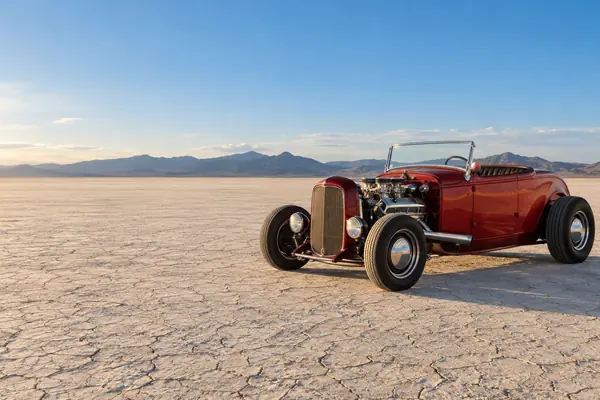
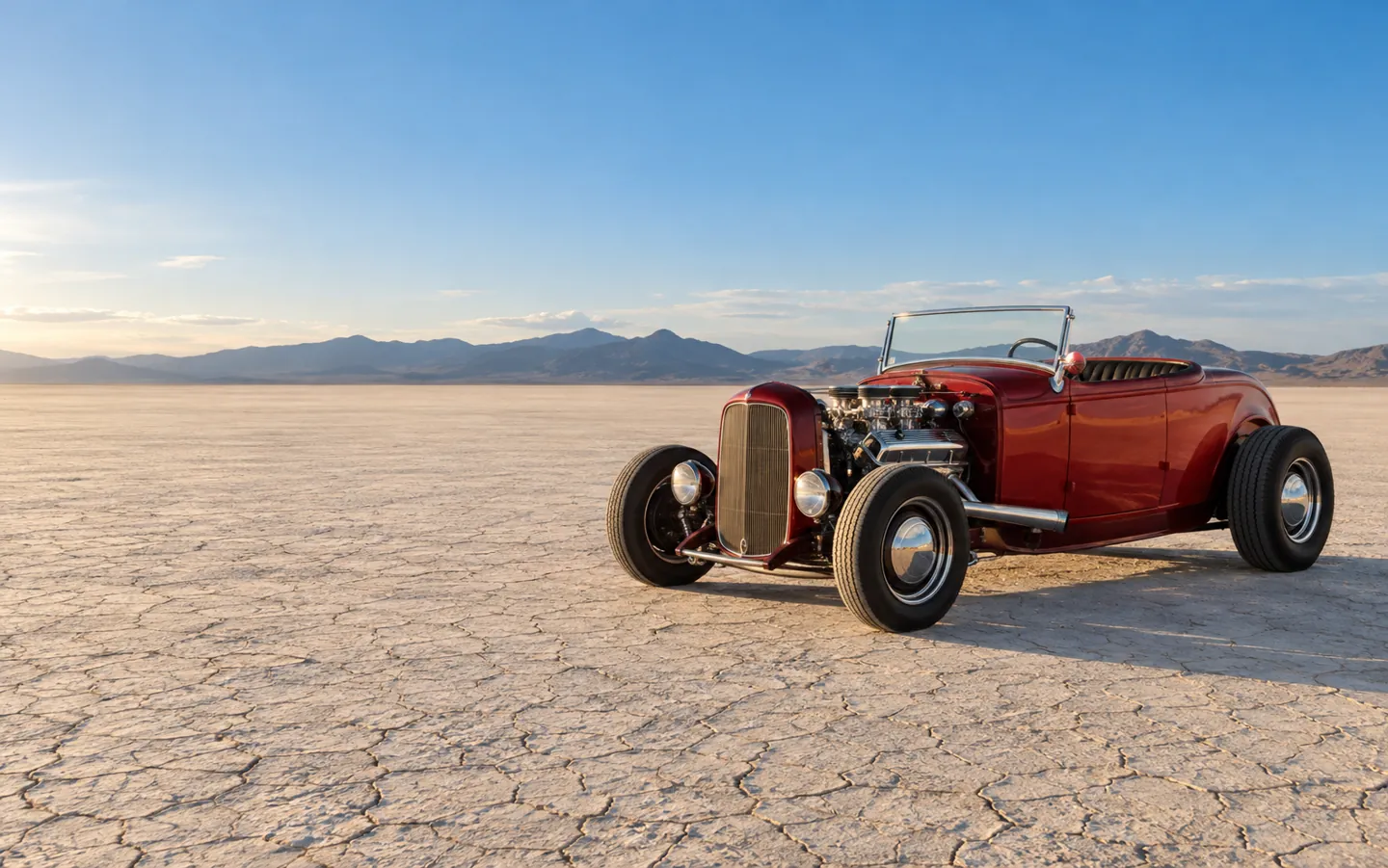
By 1938 a Southern California timing association was running dry-lake trials in classes, where most cars ran 90 to 110 mph.
See the numbers doodlehotrod
HISTORY AND THE RULES
The hot rod started as a home-built racer.
V5C keep it up to date
90–110 mph Typical speeds in 1938 dry-lake classes
In the 1930s, young Californians tuned old cars and timed them on dry lake beds. Today, anyone in the UK who changes a car's engine, colour or structure has a short list of things to tell the DVLA.
THE SHORT ANSWER
Hot rodding grew from dry-lake time trials.
In the UK, changes to a car go on its V5C.
HISTORY
By 1938 a Southern California timing association was running dry-lake trials in classes, where most cars ran 90 to 110 mph.
See the numbersCHANGES
GOV.UK lists changes to update on the V5C, including colour, engine, cylinder capacity, fuel type and seating capacity.
Check a changeSTRUCTURE
Altering a chassis, monocoque or frame to change how the car looks is a structural modification, reported on form V627/3.
How to reportA QUICK MODIFICATION CHECK
Pick a change to see what GOV.UK says you need to do. The bar shows how much paperwork the change involves.
Based on GOV.UK guidance on vehicle registration and V5C changes. General information only.
REPORTING A STRUCTURAL CHANGE
These steps follow GOV.UK's guidance on structurally modified vehicles. The DVLA then issues a new V5C noting the modification.
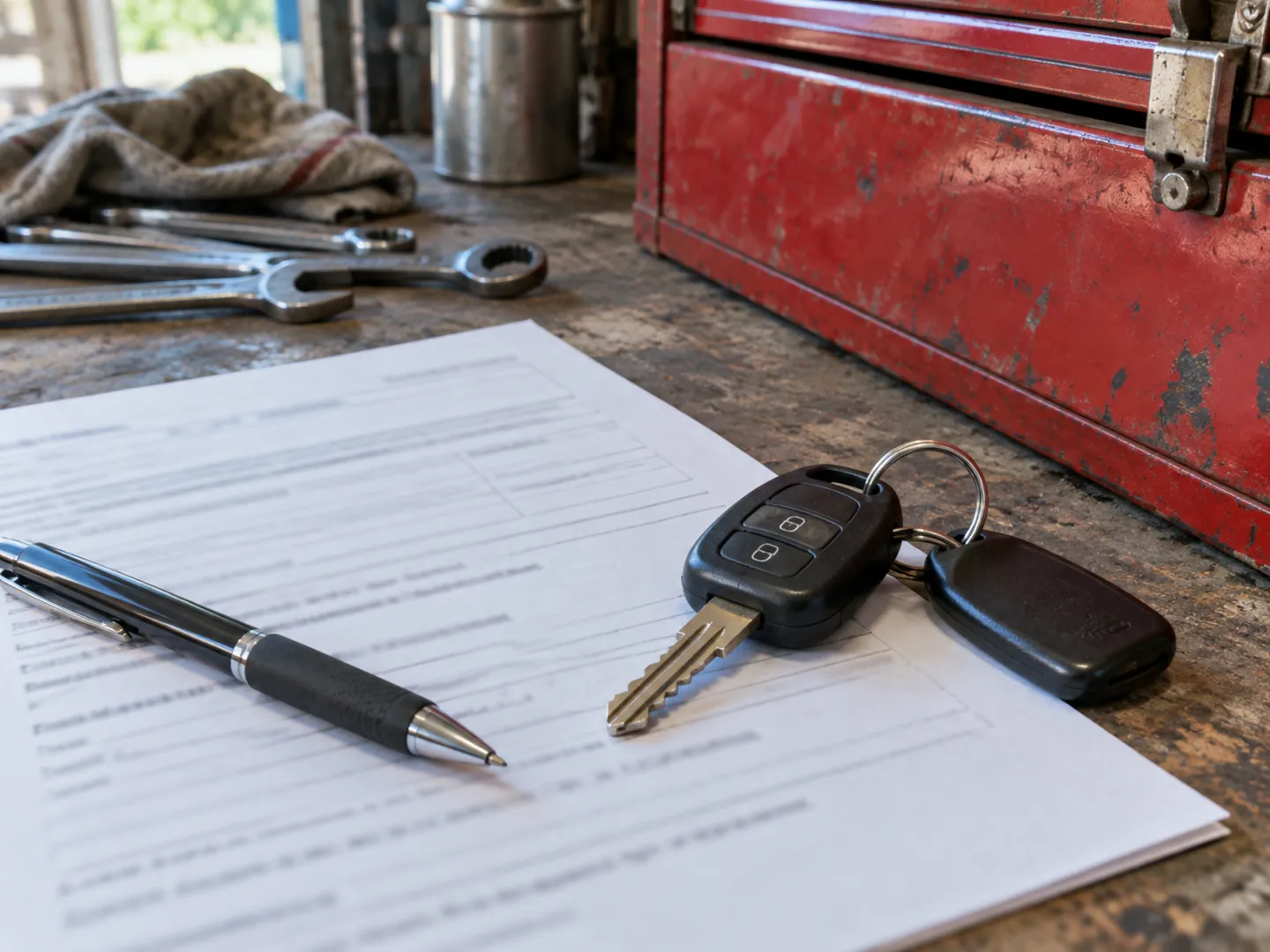
Keep photos of the original vehicle identification number (VIN), the modifications and the whole vehicle.
Complete the modified vehicle statement and send it to the DVLA with your V5C, the photos and any MOT evidence required.
After the modification, get an MOT and confirm your insurance is still valid. Vehicles over 40 years old need proof of an MOT since the change.
GOV.UK says modifications should be done by a specialist, and you are responsible for keeping the vehicle safe to drive.
TWO NUMBERS WORTH KNOWING
One figure from the dry-lake days,
one from today's UK rules for older cars.
90–110 mph
Typical speeds in 1938 dry-lake classes
American Heritage reports that most cars in the organised dry-lake trials of 1938 ran between 90 and 110 mph, and a few approached 140 mph.
DRY LAKES · AMERICAN HERITAGE
40 years
Age for a vehicle to skip the MOT
A vehicle built or first registered more than 40 years ago needs no MOT, but only if no substantial changes have been made, such as a replaced chassis, body, axles or engine that alters how it works.
MOT EXEMPTION · GOV.UK
Even without an MOT, the vehicle must stay roadworthy. GOV.UK warns that using a vehicle in a dangerous condition can mean a fine of up to £2,500 and 3 penalty points.
WHERE THE NAME CAME FROM
American Heritage traces the term hot rod to the late 1930s or early 1940s, probably from hot roadster. It came into common use after the Second World War, when returning veterans brought machining and welding skills and cheap 1930s cars were plentiful.
Street races were often run over a quarter-mile, which became the standard distance. Organised drag racing began in 1950 on a landing strip in Santa Ana, California, and a national hot rod association followed in 1951.
Questions
On the dry lake beds of Southern California. American Heritage describes young people racing tuned cars there in the 1920s and 1930s, with a timing association organising classes from 1938.
Yes. GOV.UK lists colour among the changes you must update on your V5C, along with engine, cylinder capacity, fuel type and seating capacity.
Changing the chassis, monocoque bodyshell or frame to alter the vehicle's dimensions or appearance, such as cutting roof pillars, removing the roof or modifying load-bearing sub-frames.
The vehicle usually keeps its original VIN, and the DVLA will tell you if it cannot. It may give a Q registration if the vehicle's age or identity is in doubt.
Not necessarily. The 40-year MOT exemption only applies if no substantial changes have been made, such as replacing the chassis, body, axles or engine in a way that alters how the vehicle works.
Updated
ABOUT THIS NAME
doodlehotrod.com is part of the DoodleSale portfolio. It isn't in an auction right now, but you can ask about leasing it.